
259
259
Essen
About Essen
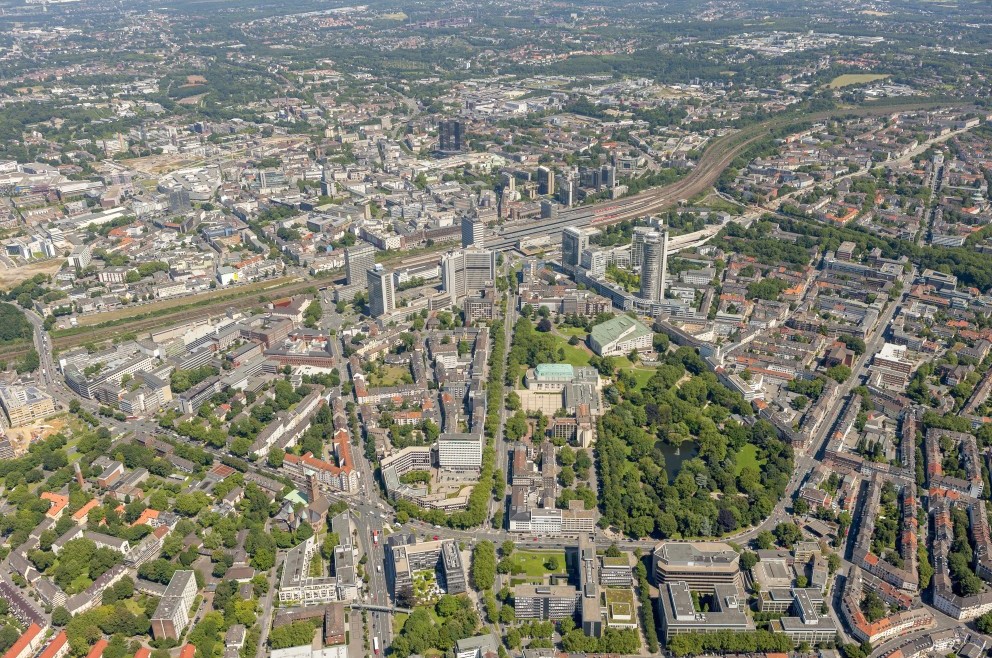
Located in the heart of the Ruhr region, Essen is a city that seamlessly blends industrial heritage with green landscapes and contemporary culture. Once dominated by coal mines and steel production, it has reinvented itself as a center for sustainability, design, and the arts.
Essen's identity is deeply rooted in its industrial past. The city's most iconic landmark, Zollverein Coal Mine Industrial Complex, is a UNESCO World Heritage Site and a masterpiece of Bauhaus-inspired industrial architecture. Today, its former coal-washing plant and coking facilities house museums, creative spaces, and cultural events. The Museum Folkwang is another highlight, renowned for its outstanding collections of 19th- and 20th-century art, photography, and modern works.
Despite its industrial legacy, Essen is one of Germany's greenest cities. The vast Grugapark offers botanical gardens, walking paths, and seasonal exhibitions. Lake Baldeneysee provides opportunities for sailing, cycling, and lakeside relaxation, making it a popular escape for locals and visitors alike.
The skyline features the prominent RWE Tower, symbolizing the city's corporate presence in the energy sector. For a taste of history, the Essen Minster showcases impressive Gothic architecture and houses the Golden Madonna, one of the oldest sculptural depictions of the Virgin Mary in the West.
Essen's culinary scene reflects the multicultural character of the Ruhr area, offering everything from traditional German fare to international cuisine. Local breweries, cozy cafés, and lively markets contribute to the city's approachable, down-to-earth atmosphere.
Essen appeals to travelers interested in industrial history, contemporary art, and urban transformation. Its central location within the Ruhr region also makes it a convenient base for exploring nearby cities such as Dortmund, Düsseldorf, and Bochum.
Essen is a compelling example of how a former industrial powerhouse can evolve into a vibrant cultural destination while preserving the character that shaped it.
Essen's identity is deeply rooted in its industrial past. The city's most iconic landmark, Zollverein Coal Mine Industrial Complex, is a UNESCO World Heritage Site and a masterpiece of Bauhaus-inspired industrial architecture. Today, its former coal-washing plant and coking facilities house museums, creative spaces, and cultural events. The Museum Folkwang is another highlight, renowned for its outstanding collections of 19th- and 20th-century art, photography, and modern works.
Despite its industrial legacy, Essen is one of Germany's greenest cities. The vast Grugapark offers botanical gardens, walking paths, and seasonal exhibitions. Lake Baldeneysee provides opportunities for sailing, cycling, and lakeside relaxation, making it a popular escape for locals and visitors alike.
The skyline features the prominent RWE Tower, symbolizing the city's corporate presence in the energy sector. For a taste of history, the Essen Minster showcases impressive Gothic architecture and houses the Golden Madonna, one of the oldest sculptural depictions of the Virgin Mary in the West.
Essen's culinary scene reflects the multicultural character of the Ruhr area, offering everything from traditional German fare to international cuisine. Local breweries, cozy cafés, and lively markets contribute to the city's approachable, down-to-earth atmosphere.
Essen appeals to travelers interested in industrial history, contemporary art, and urban transformation. Its central location within the Ruhr region also makes it a convenient base for exploring nearby cities such as Dortmund, Düsseldorf, and Bochum.
Essen is a compelling example of how a former industrial powerhouse can evolve into a vibrant cultural destination while preserving the character that shaped it.