
Friuli Venezia Giulia

pordenone
Pordenone lies on the plains of the Noncello River, where the flatlands of northeastern Italy begin to meet the foothills of the Alps. The city combines a sense of order and practicality with cultural...
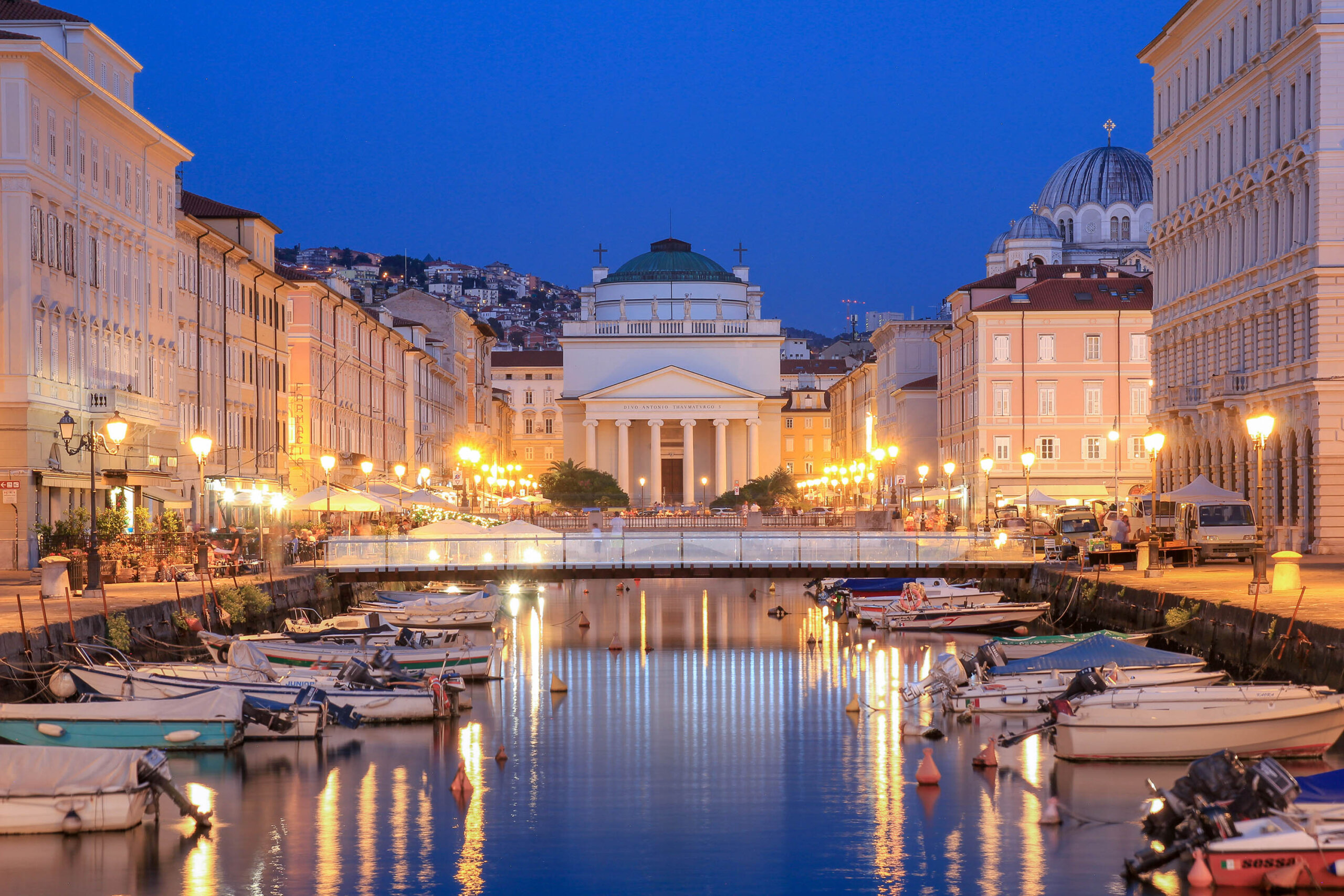
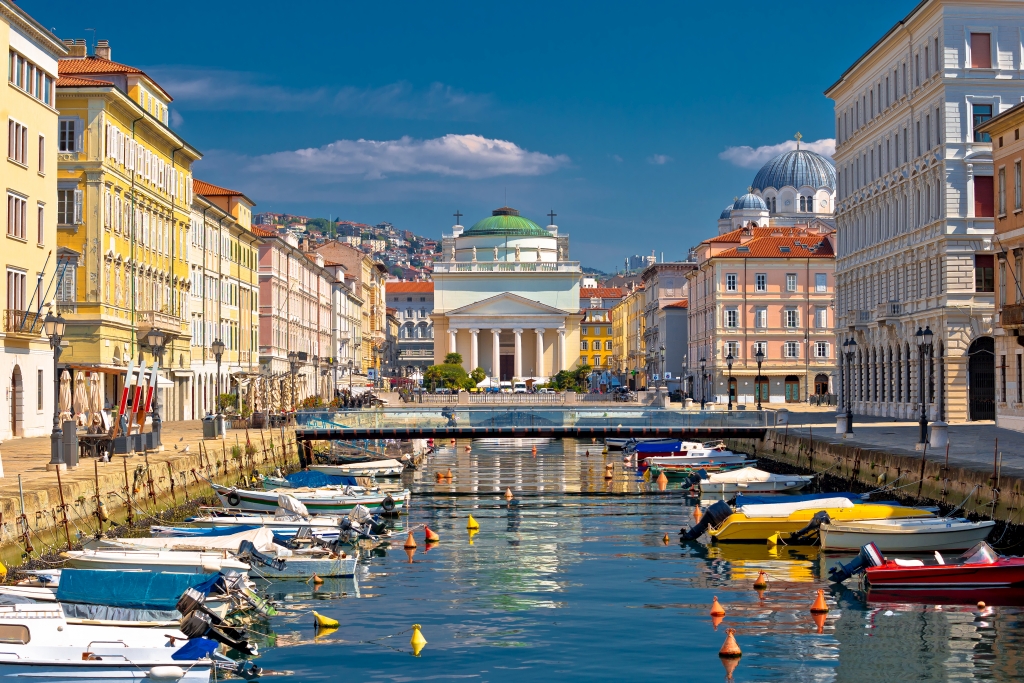
trieste
Trieste stands at the far northeastern edge of Italy, where the land meets the Adriatic and the influence of Central Europe is deeply woven into everyday life. It is a city shaped as much by history a...
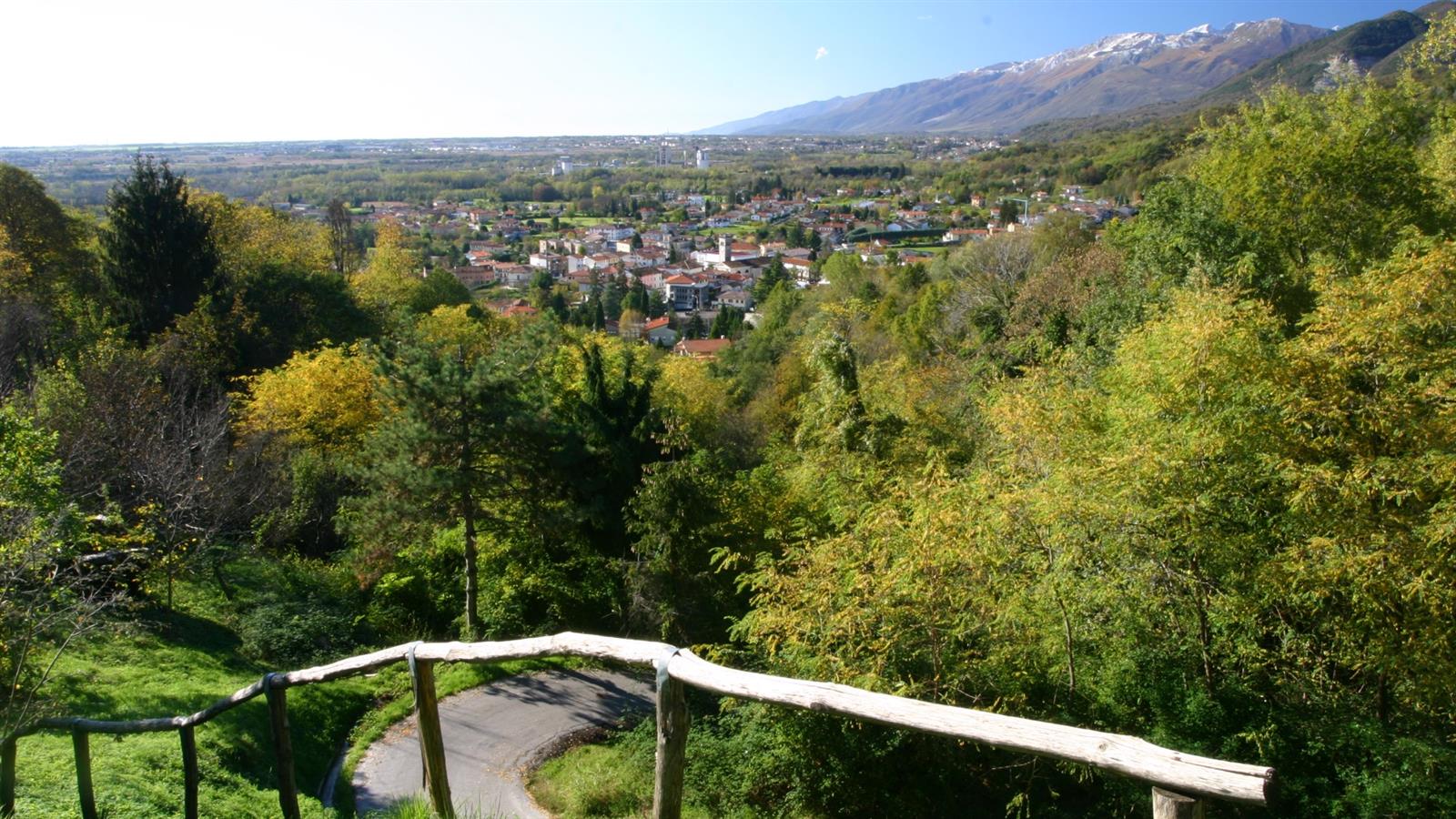
fanna
Fanna is a small, unassuming village at the edge of the Friulian Dolomites, where the flatlands of northeastern Italy begin to rise into more rugged terrain. It sits quietly in the region of Friuli-Ve...
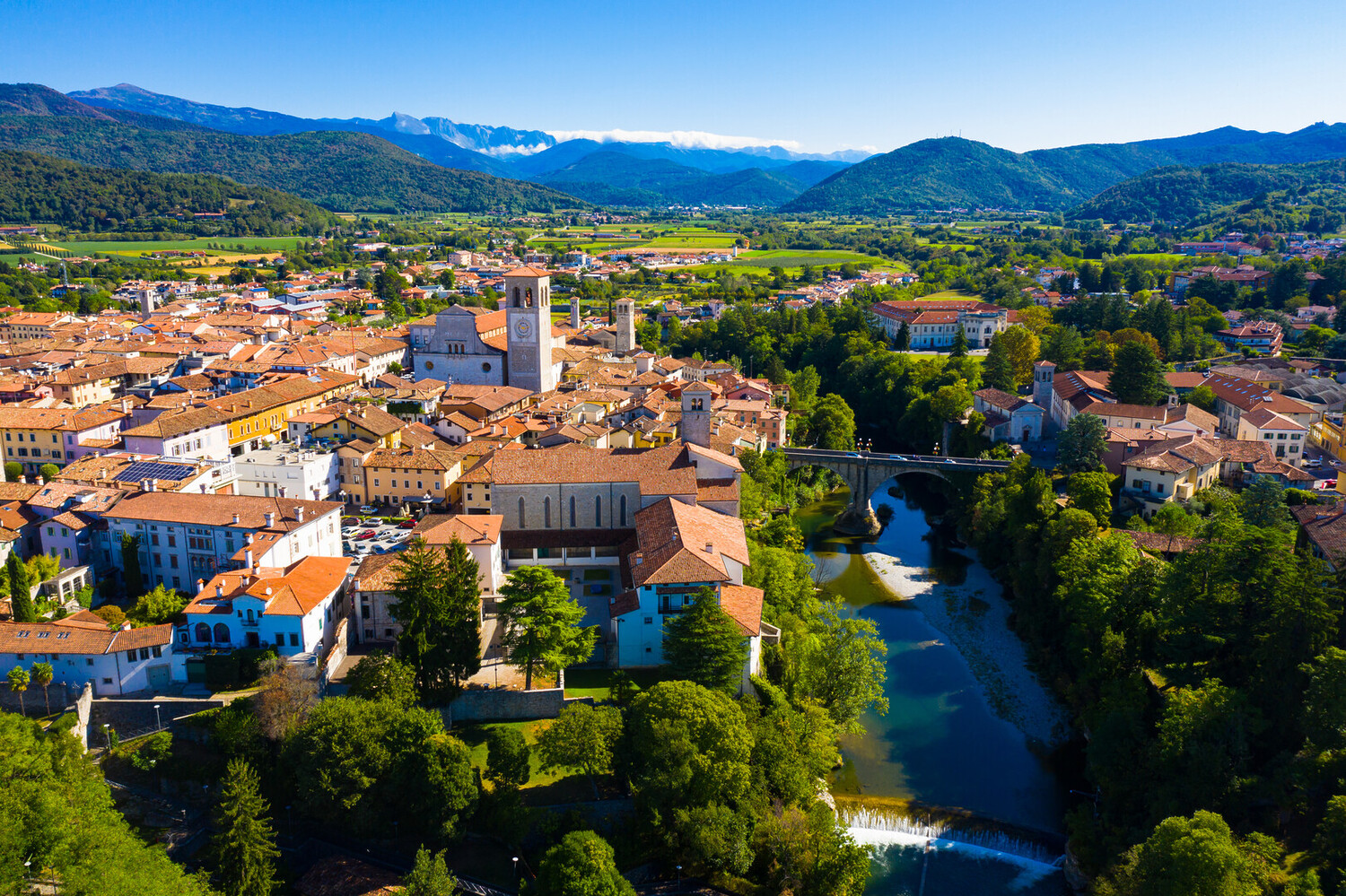
udine
Udine lies in the northeastern plains of Friuli Venezia Giulia, where open countryside meets a refined yet understated urban center. The city carries a calm, elegant atmosphere, shaped by its position...

gorizia
Gorizia sits at Italy¢s northeastern edge, pressed directly against the border with Slovenia, where the line between countries feels more historical than physical. The town shares an urban fabric with...

lignano sabbiadoro
Set on a narrow peninsula between the Adriatic Sea and the calm waters of the Marano Lagoon, Lignano Sabbiadoro is a seaside town defined by sand, space, and a distinctly modern holiday atmosphere. It...

marina julia
Marina Julia lies along the northern Adriatic coast near Monfalcone, where wide skies, shallow waters, and open horizons define the landscape. It is a place shaped by simplicity and exposure, where la...
pordenone
Pordenone lies on the plains of the Noncello River, where the flatlands of northeastern Italy begin to meet the foothills of the Alps. The city combines a sense of order and practicality with cultural...
trieste
Trieste stands at the far northeastern edge of Italy, where the land meets the Adriatic and the influence of Central Europe is deeply woven into everyday life. It is a city shaped as much by history a...
fanna
Fanna is a small, unassuming village at the edge of the Friulian Dolomites, where the flatlands of northeastern Italy begin to rise into more rugged terrain. It sits quietly in the region of Friuli-Ve...
udine
Udine lies in the northeastern plains of Friuli Venezia Giulia, where open countryside meets a refined yet understated urban center. The city carries a calm, elegant atmosphere, shaped by its position...
gorizia
Gorizia sits at Italy¢s northeastern edge, pressed directly against the border with Slovenia, where the line between countries feels more historical than physical. The town shares an urban fabric with...
lignano sabbiadoro
Set on a narrow peninsula between the Adriatic Sea and the calm waters of the Marano Lagoon, Lignano Sabbiadoro is a seaside town defined by sand, space, and a distinctly modern holiday atmosphere. It...
About Friuli Venezia Giulia
The geography is remarkably varied for such a compact area. To the north, the Carnic Alps and the Julian Alps rise sharply, creating a landscape of high peaks, alpine lakes, and quiet valleys. Moving south, the terrain softens into rolling hills and fertile plains before reaching the Adriatic coast, where the historic port city of Trieste looks out toward the sea with a distinctly Central European atmosphere.
This blending of influences is one of the region's defining traits. Architecture, language, and cuisine reflect a mix of Italian, Slavic, and Austrian traditions. In towns and cities, you might hear multiple languages spoken, and the food can shift from Mediterranean flavors to heartier, Central European dishes within a short distance.
Friuli Venezia Giulia is also known for its understated elegance. It lacks the overt fame of other Italian regions, yet offers a quieter, more introspective experience. Vineyards spread across gentle hills, producing well-regarded wines, while small towns maintain a strong connection to local customs and daily life.
What sets the region apart is its sense of convergence. It does not feel defined by a single identity, but rather by the meeting of several. The result is a place that feels both complex and balanced, where landscapes transition quickly and cultures overlap in subtle, enduring ways.