
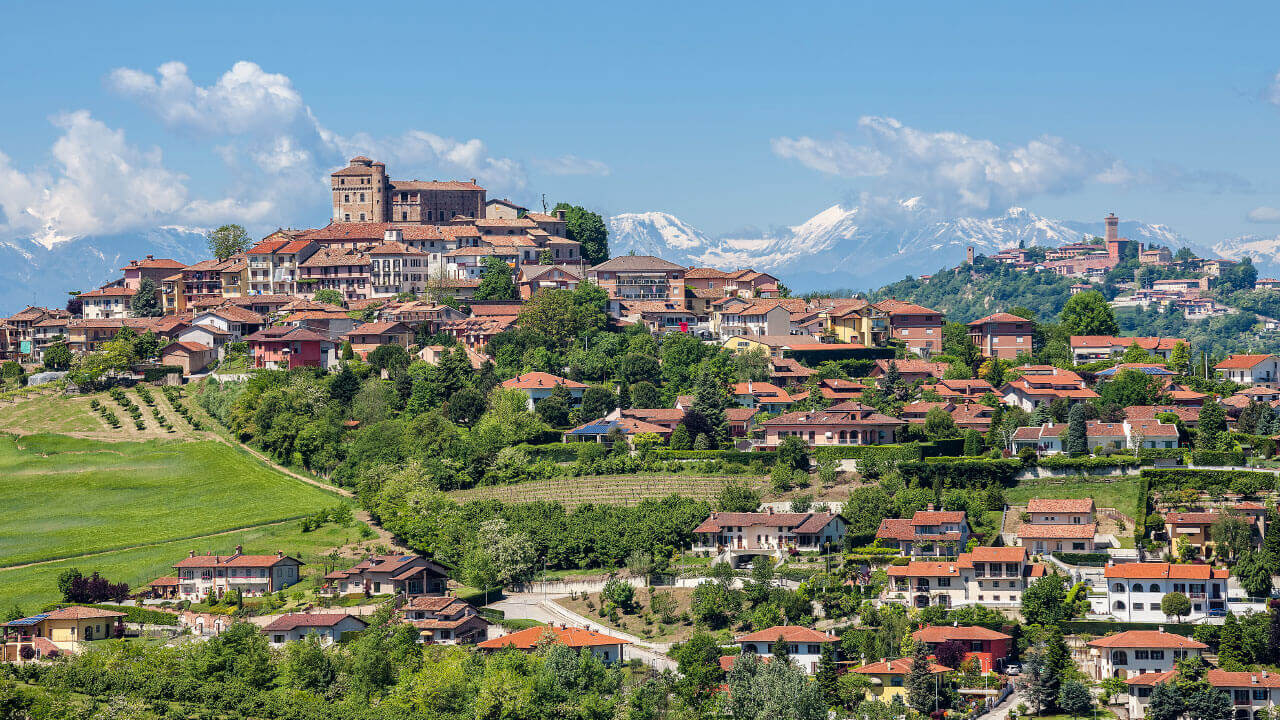
Piedmont
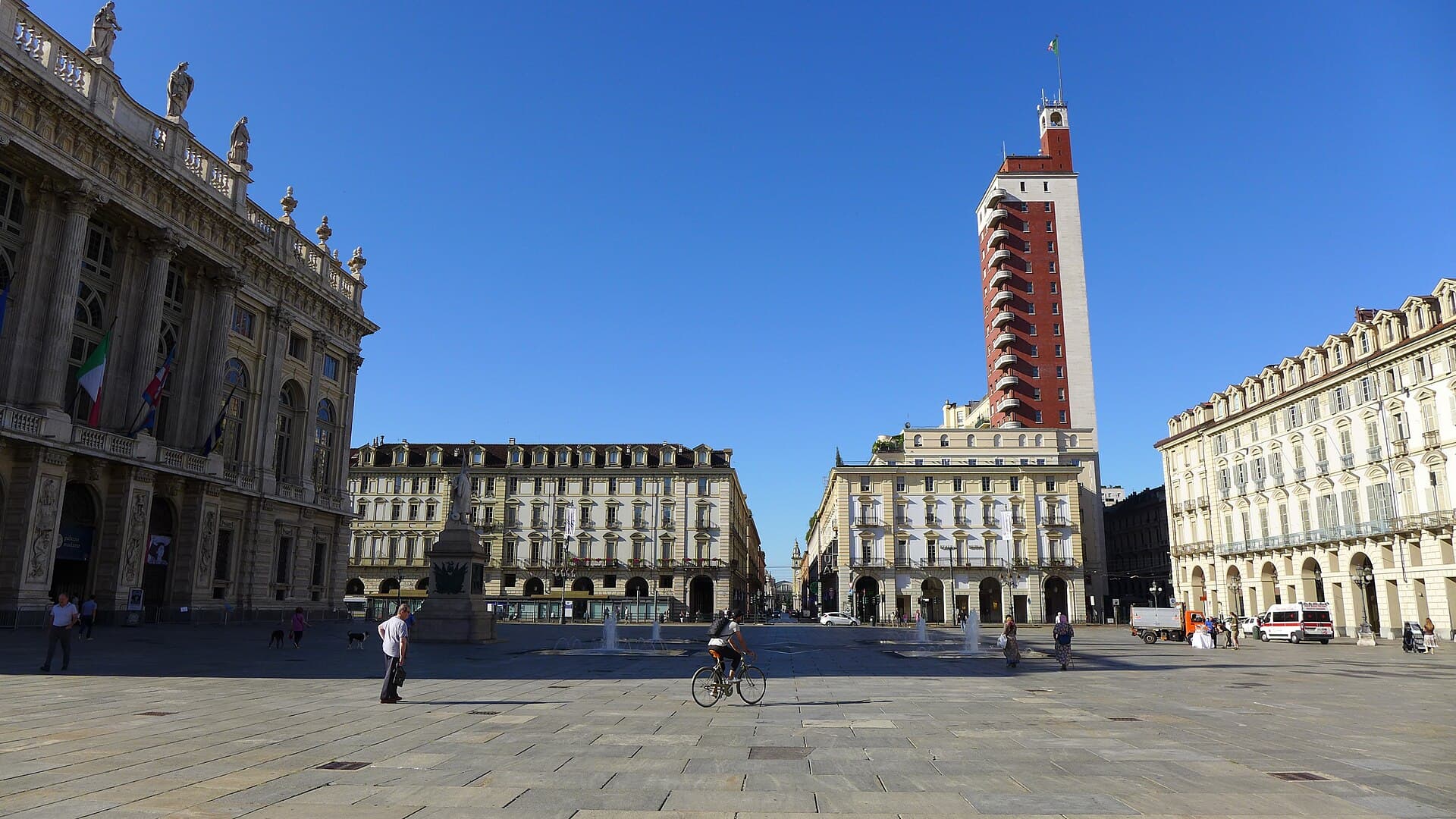
turin
Turin sits quietly at the foot of the Alps, a city that feels both reserved and deeply layered. At first glance, it is defined by order—long, straight avenues, elegant arcades stretching for kilometer...
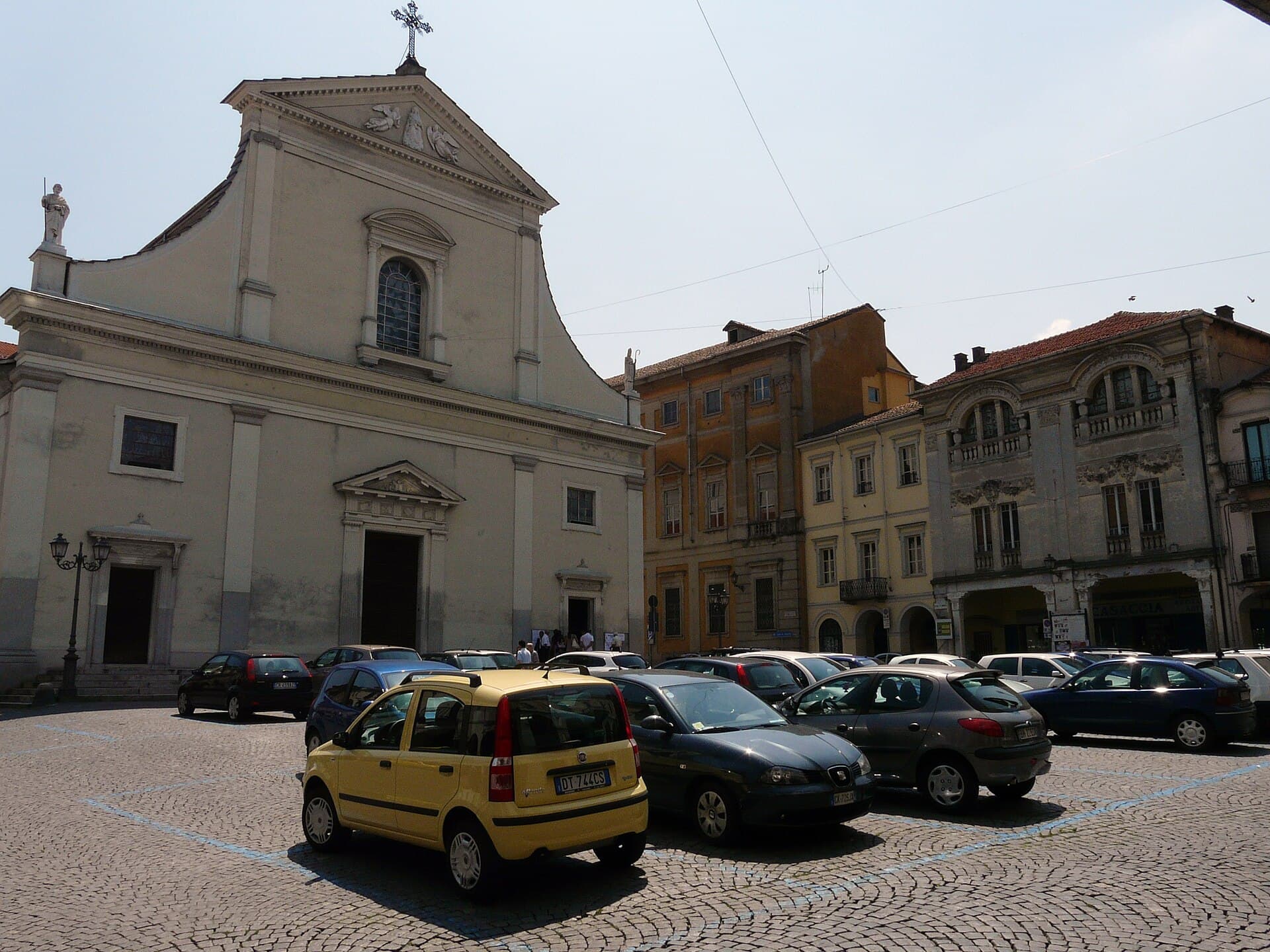
valenza
Valenza is a small town in the Piedmont region of northern Italy, set not far from the Po River and surrounded by gently rolling countryside. At first glance, it feels quiet and unassuming, with low-r...
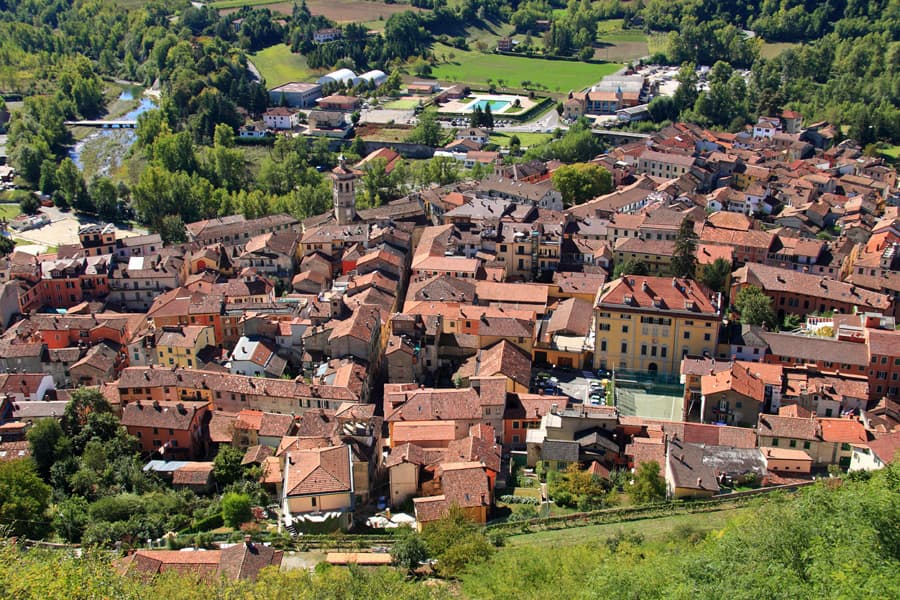
gavi
Gavi is a hill town in the southeastern corner of Piedmont, not far from the Ligurian border, where the landscape begins to transition from inland plains to the first rises of the Apennines. It sits a...
tortona
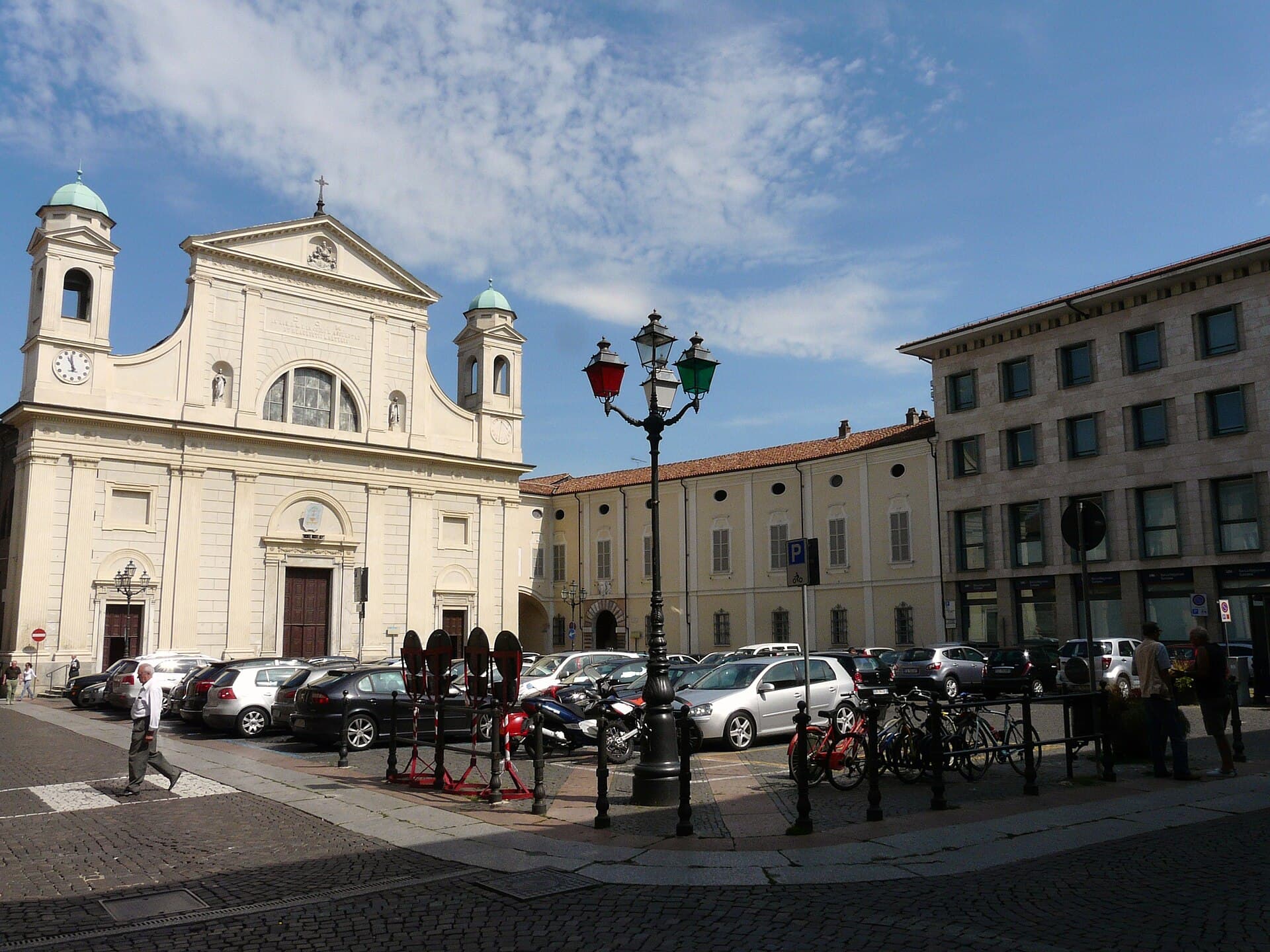
Tortona sits quietly between the better-known magnets of northern Italy, but that¢s precisely its advantage. This is a place where the pace softens, where daily life still unfolds in piazzas rather th...
novara
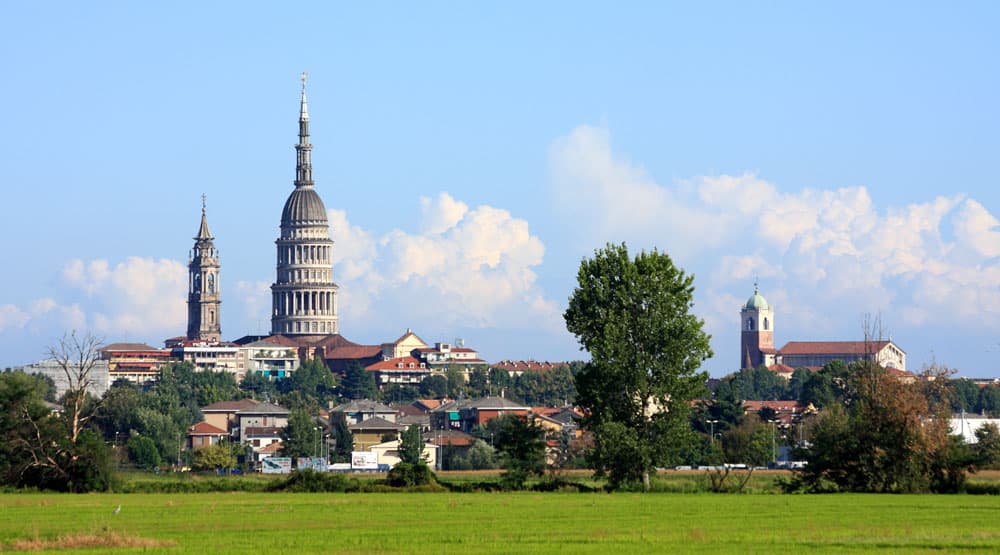
Novara lies on the broad plains of northwestern Italy, a place where fertile fields stretch toward the Alps and history settles quietly into streets and piazzas. The city balances accessibility with a...
castellinaldo
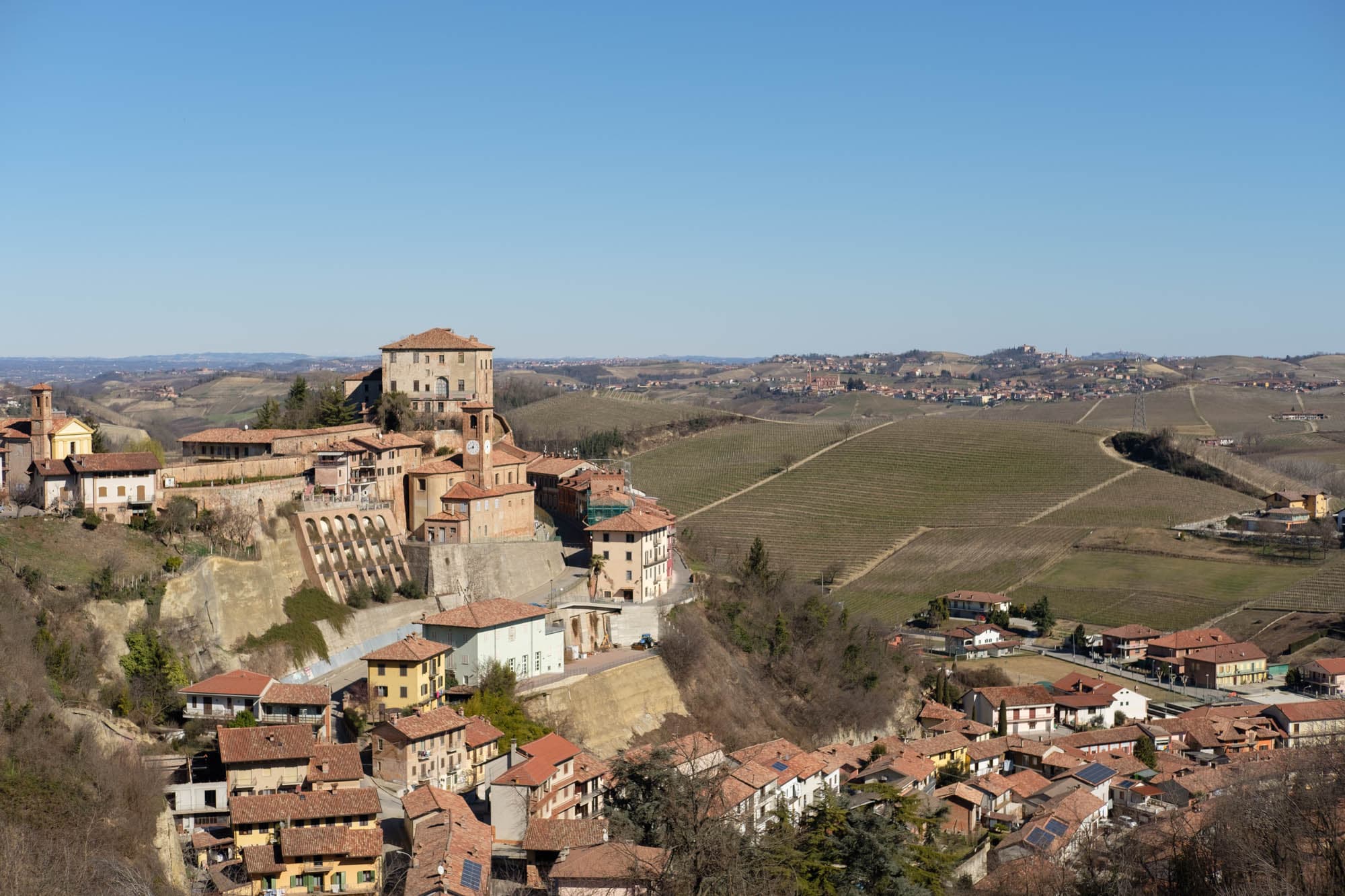
Castellinaldo is a small hilltop community in the rolling vineyards of Piedmont, where gentle slopes and cultivated fields create a landscape that is orderly, sunlit, and deeply tied to local traditio...
omegna
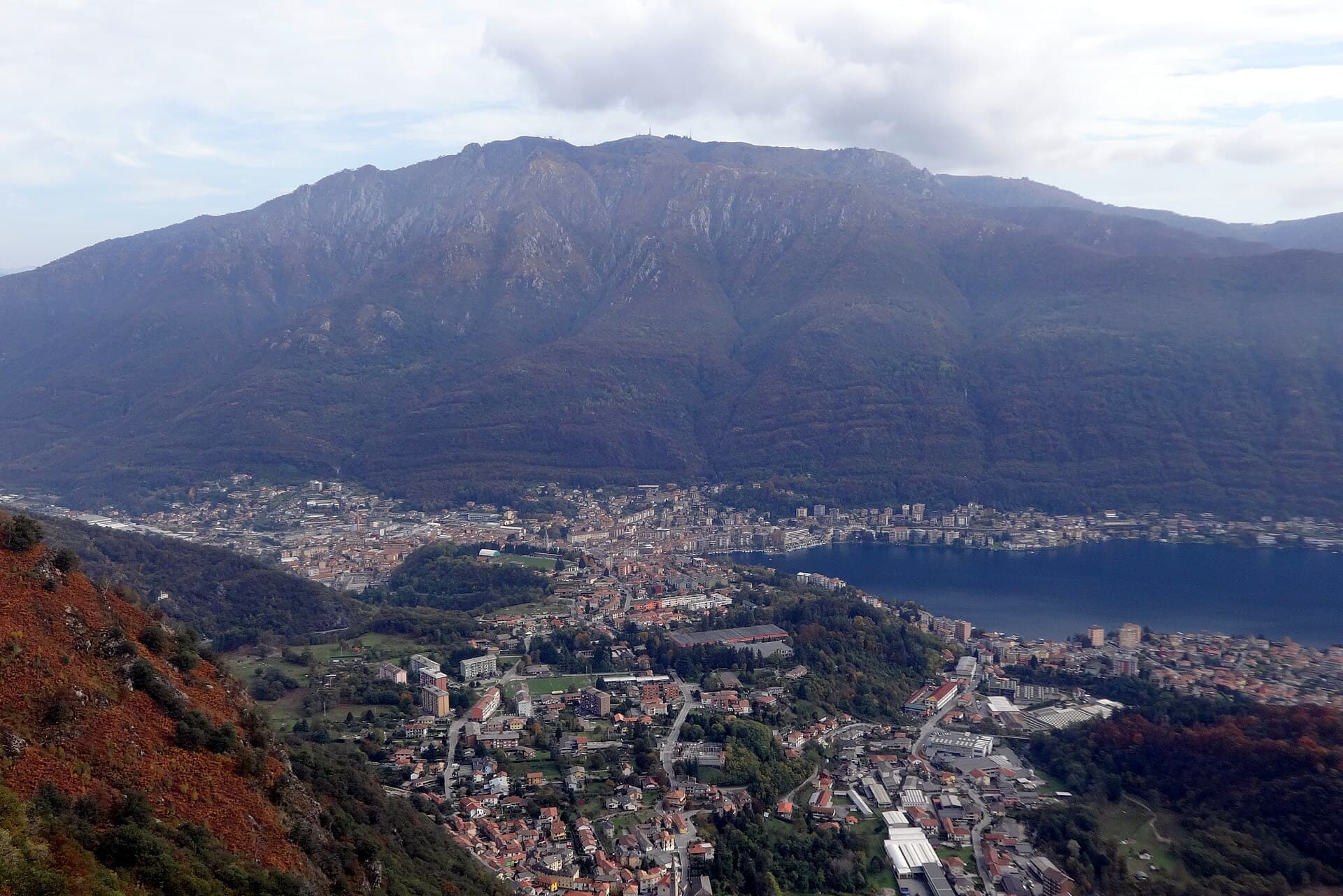
Omegna rests on the northern tip of Lake Orta, where the calm waters meet surrounding hills, creating a setting of serene beauty and quiet energy. The town is both functional and scenic, with a histor...
turin
Turin sits quietly at the foot of the Alps, a city that feels both reserved and deeply layered. At first glance, it is defined by order—long, straight avenues, elegant arcades stretching for kilometer...
valenza
Valenza is a small town in the Piedmont region of northern Italy, set not far from the Po River and surrounded by gently rolling countryside. At first glance, it feels quiet and unassuming, with low-r...
gavi
Gavi is a hill town in the southeastern corner of Piedmont, not far from the Ligurian border, where the landscape begins to transition from inland plains to the first rises of the Apennines. It sits a...
tortona
Tortona sits quietly between the better-known magnets of northern Italy, but that¢s precisely its advantage. This is a place where the pace softens, where daily life still unfolds in piazzas rather th...
novara
Novara lies on the broad plains of northwestern Italy, a place where fertile fields stretch toward the Alps and history settles quietly into streets and piazzas. The city balances accessibility with a...
castellinaldo
Castellinaldo is a small hilltop community in the rolling vineyards of Piedmont, where gentle slopes and cultivated fields create a landscape that is orderly, sunlit, and deeply tied to local traditio...