
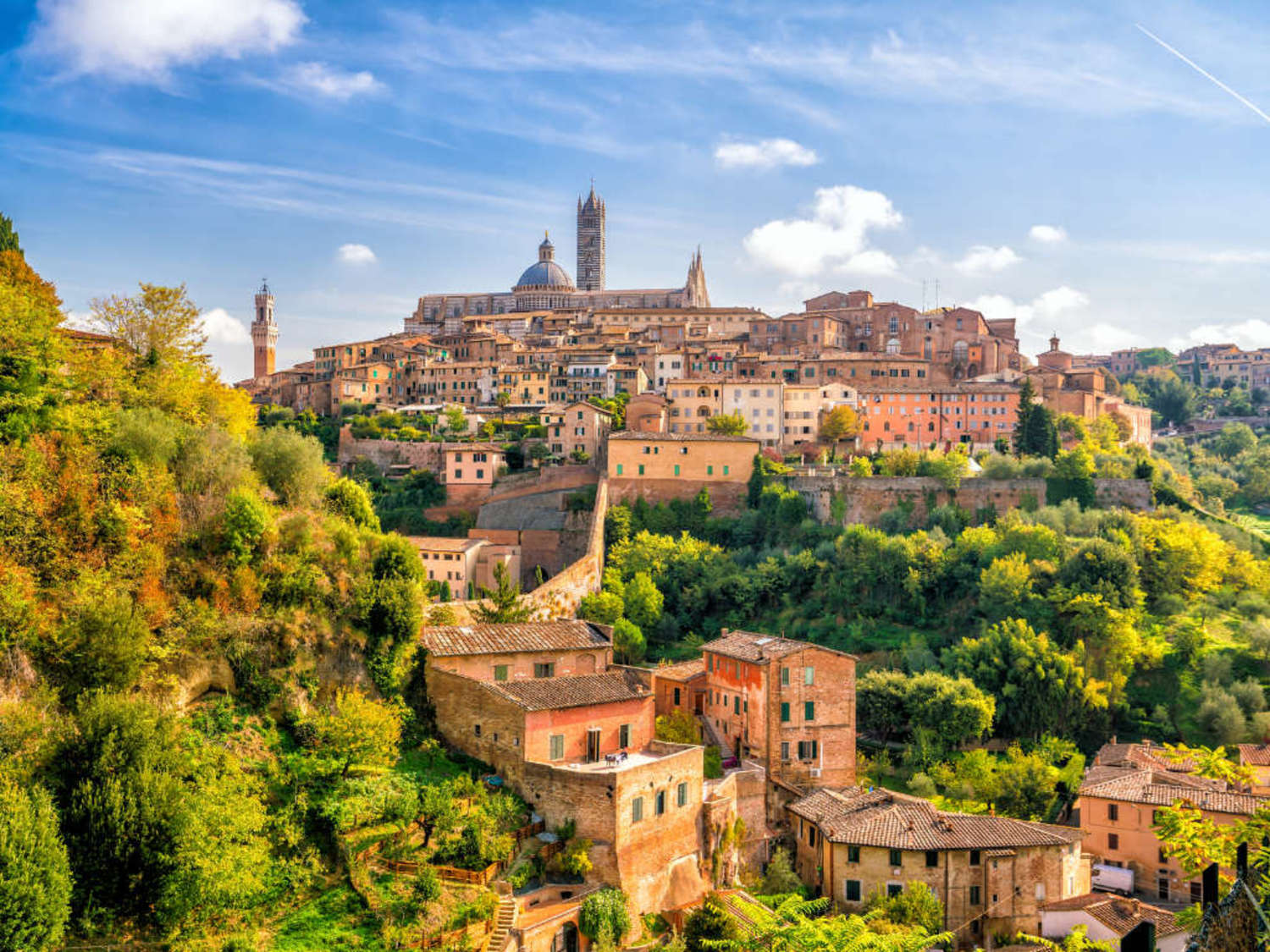
Tuscany
florence
Florence, located in central Italy, is a city known for its art, architecture, and history. Here are some tips and recommendations for travelers planning a trip to Florence:Visit the Uffizi Gallery: T...
portoferraio
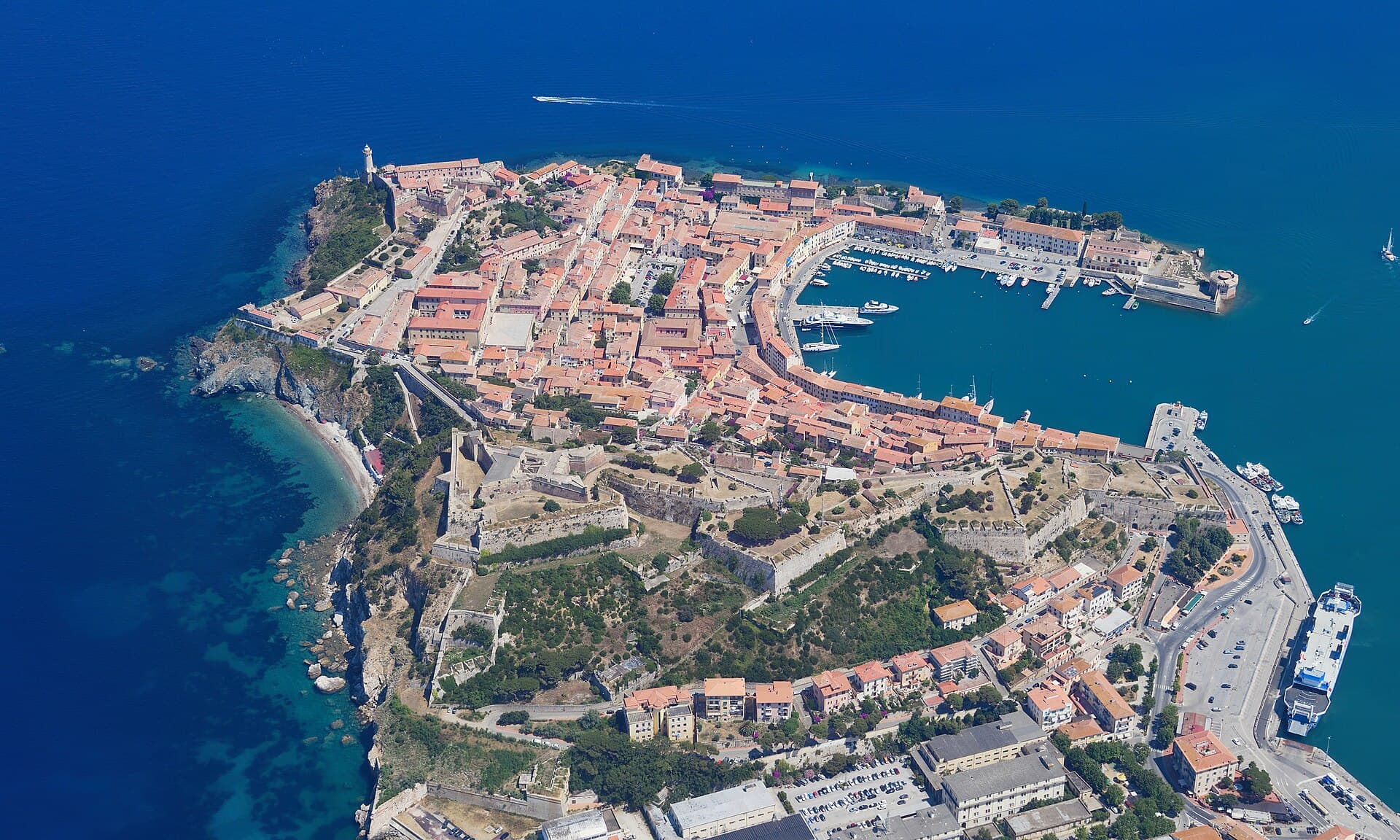
Portoferraio sits along a natural harbor on the island of Elba, where history and sea life fold into one another with quiet intensity. As the main gateway to the island, it carries a sense of arrival—...
castiglion fiorentino
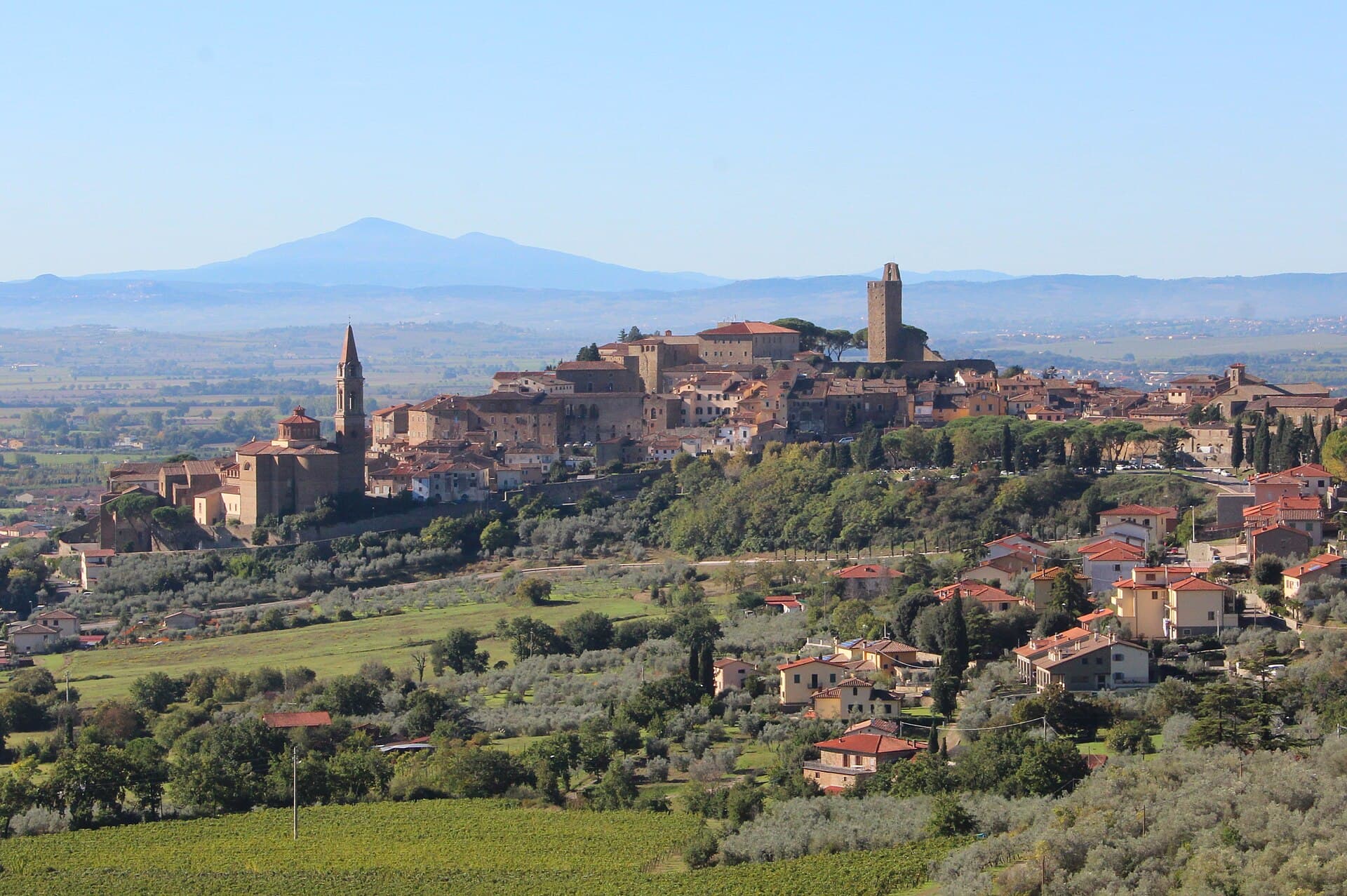
Castiglion Fiorentino is a hilltop town in the gentle rolling landscape of Tuscany, where medieval walls and narrow streets reveal layers of history while the surrounding countryside stretches in soft...
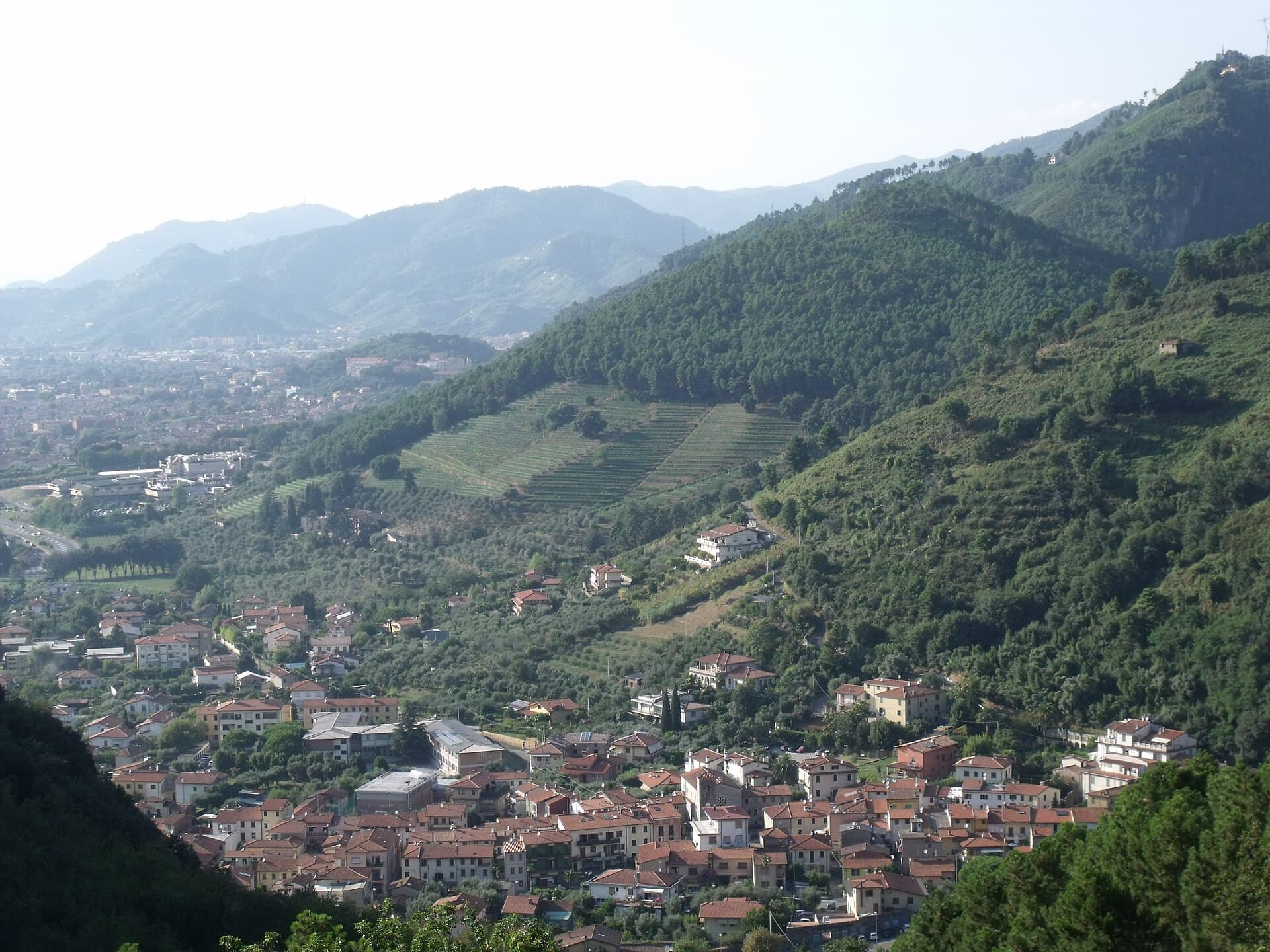
montignoso
Montignoso rests on a gentle rise overlooking the Tuscan coastline, where the Apennine foothills meet the Ligurian Sea. The town feels perched between mountains and shore, offering a blend of inland t...
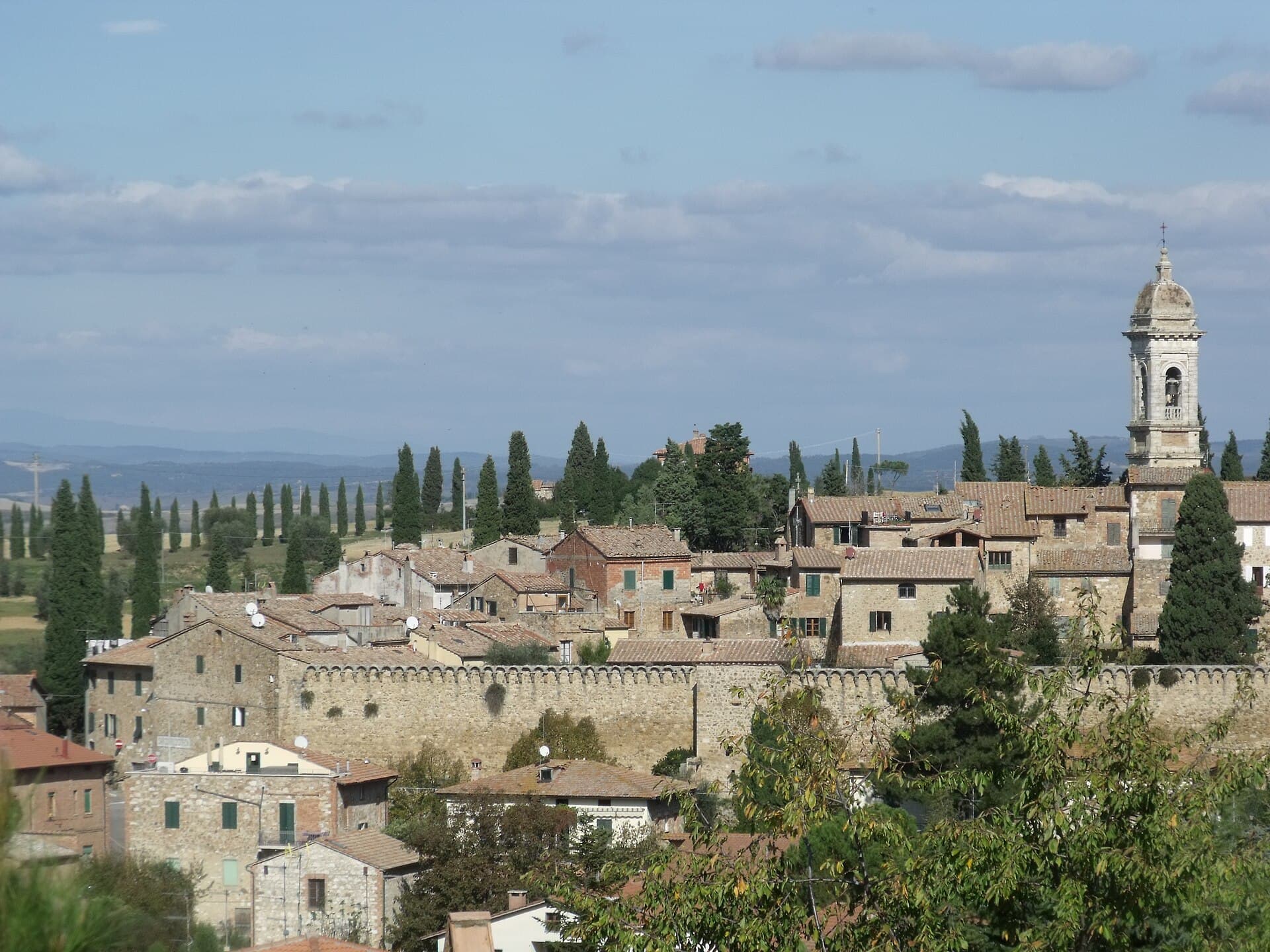
san quirico d'orcia
San Quirico dʼOrcia is a hilltop village nestled in the heart of the Val d¢Orcia, where gentle rolling hills, cypress-lined roads, and golden fields create a quintessential Tuscan landscape. The town ...
florence
Florence, located in central Italy, is a city known for its art, architecture, and history. Here are some tips and recommendations for travelers planning a trip to Florence:Visit the Uffizi Gallery: T...
portoferraio
Portoferraio sits along a natural harbor on the island of Elba, where history and sea life fold into one another with quiet intensity. As the main gateway to the island, it carries a sense of arrival—...
castiglion fiorentino
Castiglion Fiorentino is a hilltop town in the gentle rolling landscape of Tuscany, where medieval walls and narrow streets reveal layers of history while the surrounding countryside stretches in soft...
montignoso
Montignoso rests on a gentle rise overlooking the Tuscan coastline, where the Apennine foothills meet the Ligurian Sea. The town feels perched between mountains and shore, offering a blend of inland t...
san quirico d'orcia
San Quirico dʼOrcia is a hilltop village nestled in the heart of the Val d¢Orcia, where gentle rolling hills, cypress-lined roads, and golden fields create a quintessential Tuscan landscape. The town ...